Artificial intelligence isn't just a buzzword anymore — it's shaping how businesses operate, decide, and serve customers. Three building blocks sit behind most modern AI products: LLMs, LAMs, and RAG. Here is what each does and why they matter together.
LLM — Large Language Model
An LLM understands and generates human language. It can summarize, answer, translate, draft, and reason over text. It is the conversational and comprehension engine at the center of most AI applications.
LAM — Large Action Model
Where an LLM produces words, a Large Action Model produces actions. It connects intelligence to your systems — clicking, calling APIs, updating records — so AI doesn't just describe what to do, it does it. This is what powers genuinely autonomous workflows.
RAG — Retrieval-Augmented Generation
RAG grounds a model in your real data. Before answering, it retrieves the most relevant documents from your knowledge base and feeds them to the model, dramatically reducing hallucination and keeping responses current and trustworthy.
How they work together
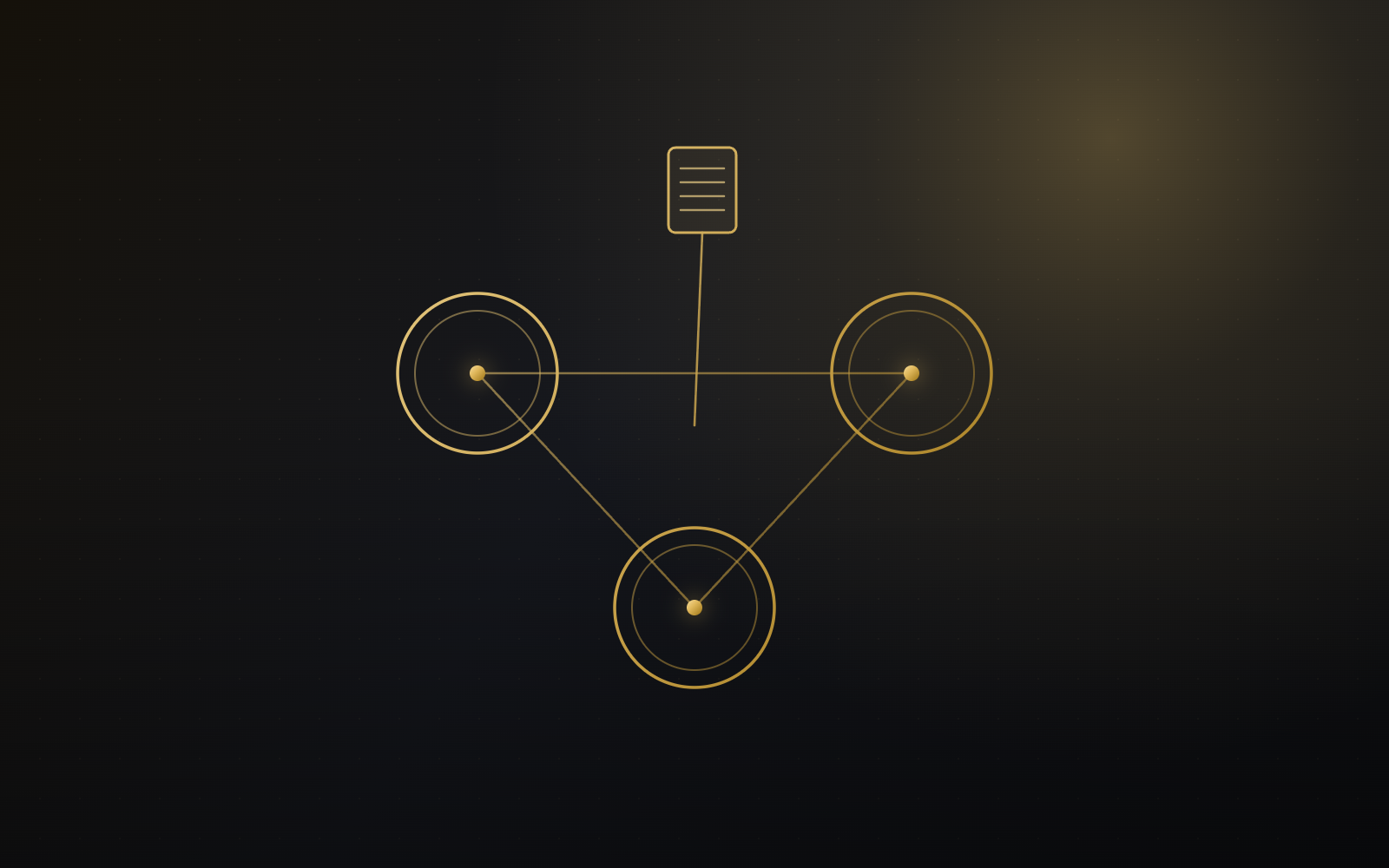
Picture a support assistant: RAG pulls the right policy and order history, the LLM reasons and drafts a clear reply, and a LAM issues the refund or updates the ticket. Each layer covers the others' weaknesses.
Why your business needs them
Used together, these technologies cut response times, reduce manual effort, and unlock services that simply weren't feasible before. We help businesses combine them responsibly — with the guardrails and evaluation that production demands.